

7 Reasons Australian Fleets Could Be Missing Out on Fuel Tax Credits
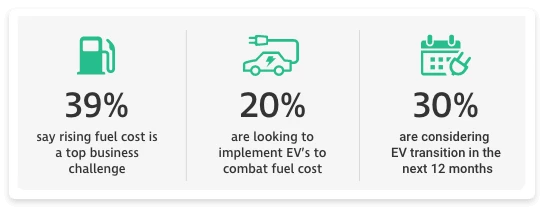
No matter the year, fuel becomes a hot topic as prices surge due to outside forces. While it may be a temporary spike as prices begin to settle after a while, ensuring your business is on top of managing fuel costs across the fleet is important. Luckily, we live in the 21st century and you have multiple avenues you can take instead of sticking to one solution.
You can look to telematics in your vehicles and fuel-burning equipment to monitor usage, swap to biofuels where possible to be more conscientious to the environment or even take the biggest step and switch part of your fleet to EV.
Let’s delve further into each path, to help you make a plan that considers all options.
Telematics to Reduce Fuel Spendings
Your existing vehicles all run petroleum-based engines, meaning you’re at the mercy of the fossil fuel industry. Managing a tight fuel budget starts with monitoring performance, and while you can do some of this manually, keeping track via telematics is your best bet.
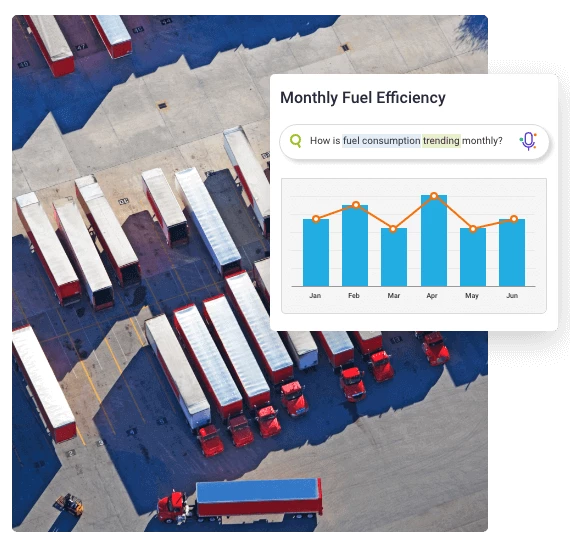
From keeping track of all vehicle movements and altering routes for efficiency to keeping track of excessive use (like acceleration or idle) and engaging with drivers to make improvements, telematics can provide you with the data you need to make significant improvements.
- Through benchmarking against safety & performance metrics, drivers can operate vehicles more effectively. The objective evidence allows you to provide accurate coaching and training for all to make better decisions on the road. The one key metric that a lot of businesses look at here is idle, where cars can use 2-3L an hour while trucks using up to 4L.
- Multiple means to gather information you need, either via reports on specific areas of concern you identify within the business, via Scorecard that benchmarks driver performance, to insights dashboards filled with graphical information that you can use to make decisions based on data.
- Maintenance across the board scheduled and managed through digital means operators can ensure vehicles are safe and driving up to scratch – everything from ensuring peak engine conditions to monitoring tyre pressure. It’s all about providing a road to success for your drivers.
- Managing locations and keeping track of routes take for all tasks, whether going between jobs to delivering goods to customers, can be infinitely improved through monitoring routes and making changes to reduce time spent in traffic (which means more idle) and keeping your customers satisfied.
Finally, you have programs like Fuel Tax Credits (FTC) and Fringe Benefits Tax (FBT) you can manage more effectively to maximise returns wherever possible. Through FTC Manager and Electronic Logbooks, you can maximise the returns you receive in a compliant manner, which optimises your budgets to focus on programs and initiatives that can drive the business into the future.
Making the Switch to Alternate Fuels
Previously, the thought of alternative fuels had you thinking of sci-fi movies of star ships at warp speed. Petroleum reigned king of energy and while that’s still mostly the case, you now have more choice that was previously unavailable. As petrol prices continue to spike and trough, the popularity of alternative fuels doesn’t start with EV. While there may be myths surrounding alternate fuels, biofuels are already working their way into bowsers, and hydrogen may be Australia’s ultimate clean fuel.
Biofuels encompass any fuel derived immediately from renewable, living matter like plants, algae, recycled cooking grease, or animal waste. They’re produced over a short time span rather than by slow natural processes involved in the formation of fossil fuels. The two most common varieties are ethanol and biodiesel.
Biodiesel can substitute petroleum-based diesel fuel in applicable vehicles. It’s a sustainable alternative that emits significantly less CO2 when combusted, reducing lifecycle greenhouse gases by an average of 74 per cent. However, for pure biodiesel or blends containing more than 20 per cent, the engine’s specs and warranty need to be checked and often require modifications to run effectively.
Most trucks currently run on some portion of biodiesel, even if their drivers don’t realise it, and can do so safely without any modifications. It isn’t as environmentally friendly or as viable as other alternatives, given the large swaths of land needed for growing the plants that are converted into fuel.
Hydrogen is the cleanest non-polluting fuel option that burns in the air it produces for water vapour and zero carbon emissions. It’s flexible, safe and easily storable and can be used for fuel cells to generate electricity to power cars, trucks, buses and more. While Australia has abundant means to produce clean hydrogen, the cost in replacing diesel vehicle for hydrogen enabled counterparts is an expensive exercise on par with electrification.
After all, the future in Biofuels is strong as entire industries, like the Formula 1, have been using a form of Biofuel for their specialty-built engines for a while now. Ethanol and biodiesel enriched fuels have been available as a substitute at petrol stations for a while now.
Electrification 101
Making the choice to move to EV should be a considered step and not something you should jump on without figuring out the needs of the business. Depending on where you’re operating, there may be benefits (such as tax breaks) offered to make the switch, but there’s also implications you need to consider. Do your vehicles travel interstate or on long journeys that could leave your drivers stranded without power? If that’s a yes, EV may not be the right choice just yet, but that shouldn’t count out vehicles in your fleet that travel short runs or are used as pool vehicles for staff use between jobs.
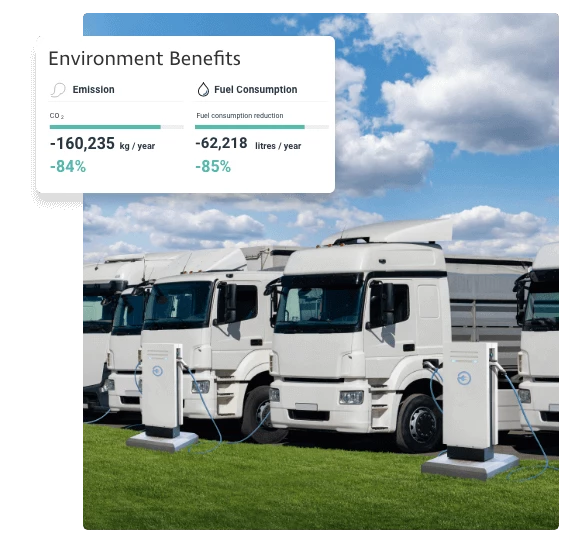
Going green and all the positives it leads to global environmental change is great, but to a business trying to survive, that means little when tomorrow is uncertain. Luckily, managing your carbon emissions through telematics is a great way of going green as it goes hand in hand. Afterall, complete decarbonisation for your business is next to impossible, but making the switch to EV in vehicles that makes sense, is a great long-term strategy.
The good news is that if you’re considering the move to EV, we can help.
By analysing your vehicle’s movements alongside a range of data like dwell times, duty cycles, trips, EVE by Teletrac Navman takes these learnings and identifies vehicles in your fleet that can be transitioned to electric without disrupting the way you work. It can forecast power demand across target sites to help create cost-effective infrastructure plans to keep you moving.
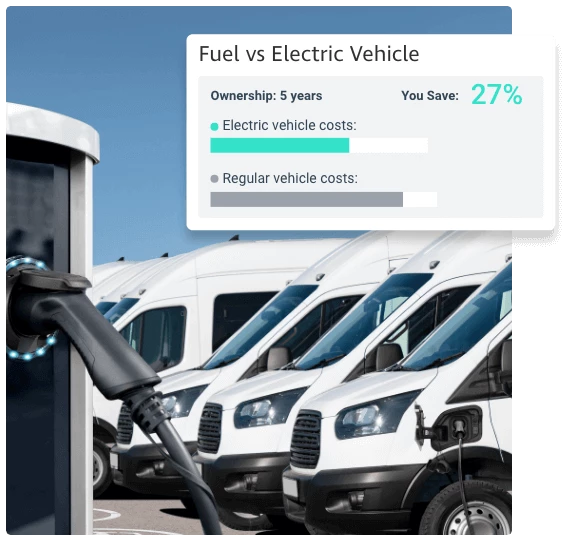
Once electrified, you gain further access to our energy hub and sustainability insights that provide information on state of charge and alerts to help you manage your EV fleet in TN360 with ease. Is 2026 the year you electrify? Maybe! The decision is yours. While you might need to spend more upfront for new assets, the benefits come in the long run with reduced fuel (or energy) costs, even reduced maintenance. There’s less to keep track of on the vehicle – brakes, tyres. That’s it.
The path you take to consider how to reduce fuel costs has many routes. Each business is as different as a fingerprint, so what works for others may not exactly work for you. Even if you have telematics implemented across your fleet, there’s more you can do to reduce fuel burn. Luckily biofuels is an instantaneous switch you can make, ensuring that you’ve thoroughly checked with your maintenance team or mechanics (if you’re a small outfit) that ethanol-blend or biodiesels can be used in your fleet. For those fortunate enough, making the switch to electrification is a terrific long-term investment for reducing costs – there’s less to maintain and no fuel burn (electricity is cheaper than fuel in most cases).
No matter the choice you need to consider, we’re here to help.